
Some weekends are for brunch. Others are for exploring Gwinnett’s vibrant creative scene, where murals brighten streets, markets overflow with handmade goods, and studios welcome anyone curious enough to try something new. From Duluth to Lilburn to Sugar Hill, artists, educators, and neighbors fill streets, markets, and galleries with energy and color. Each stop offers a chance to discover something unique, whether it’s a handcrafted ceramic, a striking mural, or a moment of inspiration at a local art class.
Much of that energy radiates from Duluth, where institutions and independent makers feed off one another. The Hudgens Center for Art & Learning anchors the city’s arts presence, offering exhibitions, classes, and programming that spill well beyond its walls. That influence shows up at weekend markets and festivals, where local jewelers, ceramicists, painters, and designers turn a casual stroll into an afternoon of discovery. You go in planning to browse and leave with something handmade and a story about who made it.
Art That Lives Outside the Gallery
Duluth’s creativity doesn’t stop indoors. Through the city’s Duluth Public Arts Program, murals and sculptures pop up in everyday spaces, making art part of daily life rather than a destination you have to seek out. It is the kind of program that quietly changes how a place feels. A walk to dinner becomes a mini gallery tour, and a familiar corner suddenly looks new again.
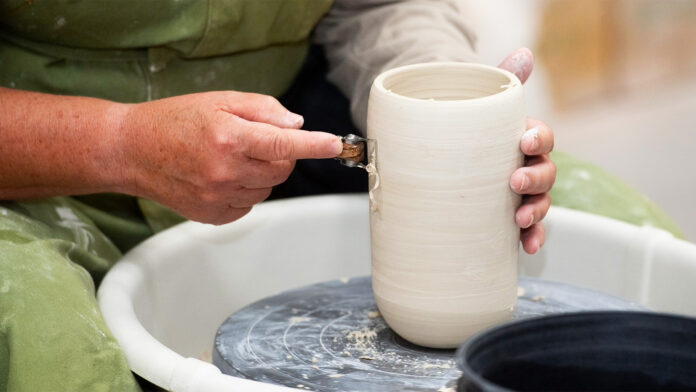
A few miles away, Lilburn keeps the creative pipeline flowing. Mosaic Minds Art Academy offers classes for both kids and adults, balancing skill building with the freedom to experiment. It is less about perfection and more about process, which is exactly what keeps people coming back. Parents discover hobbies alongside their kids; adults rediscover the joy of making something just because.
A County That Makes Room for Makers
Sugar Hill adds another layer to the mix. The Sugar Hill Art Gallery, supported by the Sugar Hill Arts Commission, treats local art like a community staple rather than a special occasion. Exhibits rotate, neighbors stop by, and artists feel seen in a way that makes staying local feel viable.
Together, these spaces point to something bigger happening in Gwinnett. Creativity here is not siloed; it is supported by cities, nurtured by educators, and sustained by residents who show up. For local businesses, that matters. A thriving arts scene brings foot traffic, personality, and pride, all of which help a community feel alive.
Gwinnett’s creative economy is still growing, but the foundation is clearly in place. As makers keep showing up and cities keep making room, the collision of art, craft, and community feels less like a moment and more like the future.
Explore more of Gwinnett’s creative scene at guidetogwinnett.com/arts-entertainment.